Dark Wall Colors That Actually Make Rooms Feel Larger
Wait… Dark Walls Can Make a Room Feel Bigger?
Yep, you read that right. Forget everything your well-meaning aunt told you about sticking to “light and airy” shades in small rooms. Dark wall colors can actually make a space feel larger — if you know how to use them. Sounds like interior design sorcery, right?
When I first painted my tiny home office a deep navy, I braced for claustrophobia. Instead? The walls kind of… disappeared. The space felt cozy but somehow bigger. That’s when I learned: dark walls create depth in a way pale colors just can’t pull off.
So, if you’ve been scrolling Pinterest wondering, “Could I really pull off black walls in my small bedroom?” — this guide is your permission slip.
Let’s break down why it works, how to do it right, and which shades will give you that chic, expansive vibe instead of a gloomy cave.
Why Dark Colors Can Trick the Eye
Before we dive into paint swatches, let’s geek out for a second about the science of perception.
When you use light colors, your eyes stop right at the wall — making the edges of the room more noticeable. But dark colors blur those edges, making the boundaries harder to see. It’s like the walls melt away into the background.
Plus, dark walls create a cocoon effect, which makes the room feel intentional and enveloping rather than just… small.
In short:
- Dark = depth (your brain thinks the room extends further).
- Dark = contrast (furniture and accents pop more).
- Dark = drama (in a good way, not soap-opera drama).
Tips for Making Dark Colors Work in Small Spaces
Okay, painting a room dark isn’t exactly a “slap it on the wall and hope for the best” situation. Here’s how to make it look luxe, not like you accidentally created a dungeon:
1. Go Matte, Not Glossy
A flat or matte finish absorbs light, which helps with that depth illusion. High-gloss finishes? They bounce light and show every imperfection like an unflattering selfie.
2. Keep the Ceiling Light
Unless you really want the cocoon vibe, keep your ceiling a soft white or lighter shade. This prevents the room from feeling like it’s closing in.
3. Use Contrasting Trim
A crisp white baseboard or door frame defines the space and makes the walls recede even more. Think of it as eyeliner for your room.
4. Layer Your Lighting
Dark walls need light sources at different levels — overhead, mid-level (like wall sconces), and low (table or floor lamps). This adds depth and warmth.
5. Add Mirrors
Mirrors + dark walls = magic. They bounce light around and make the space feel twice as open.
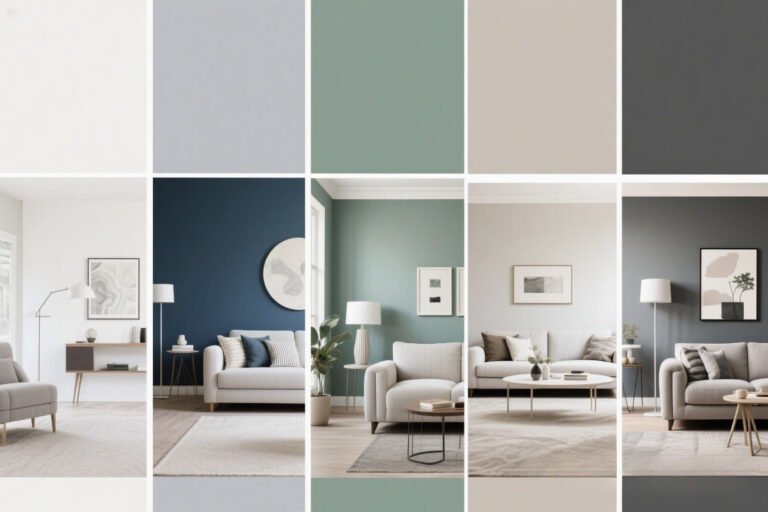
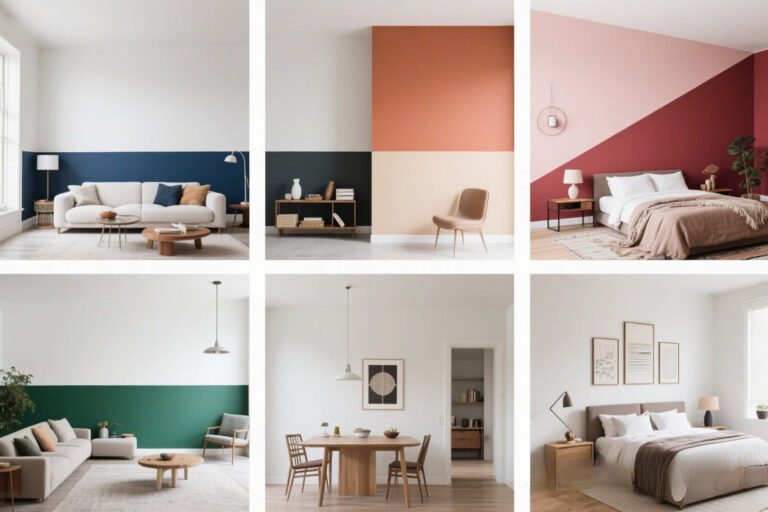
The Best Dark Wall Colors That Make Rooms Feel Bigger
Here’s the fun part: choosing your shade. All of these colors can make a room feel larger, but each brings a different personality.
1. Deep Navy Blue
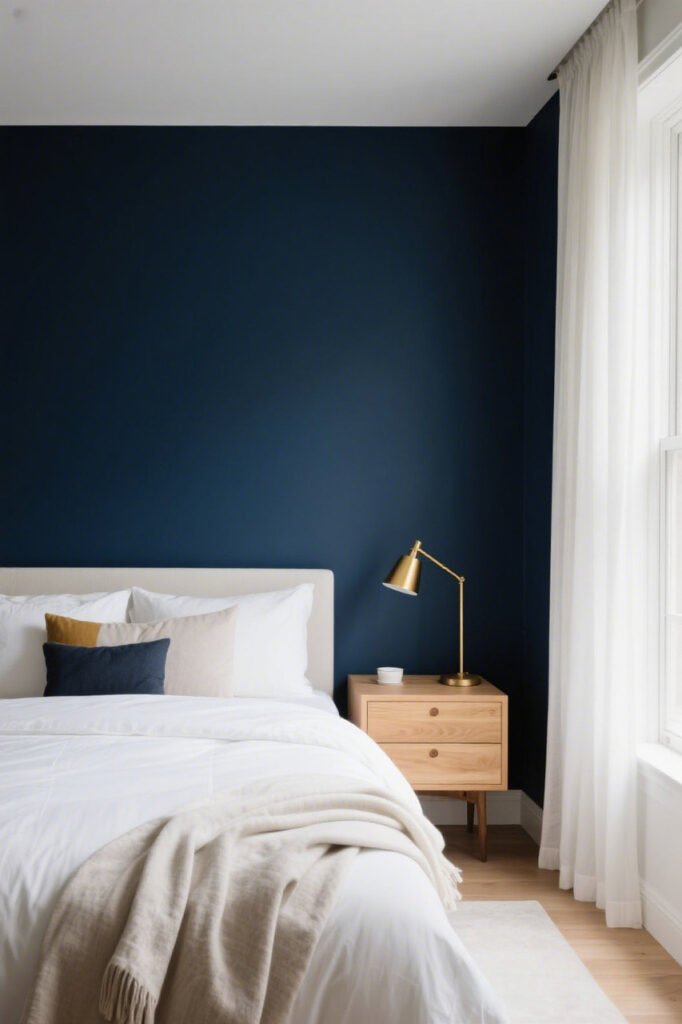
Rich, calming, and endlessly chic. Navy works in bedrooms, living rooms, and even kitchens. It plays well with gold accents and natural wood.
Pro tip: Pair with crisp white bedding or cabinets for that “coastal meets luxury” vibe.
2. Charcoal Gray
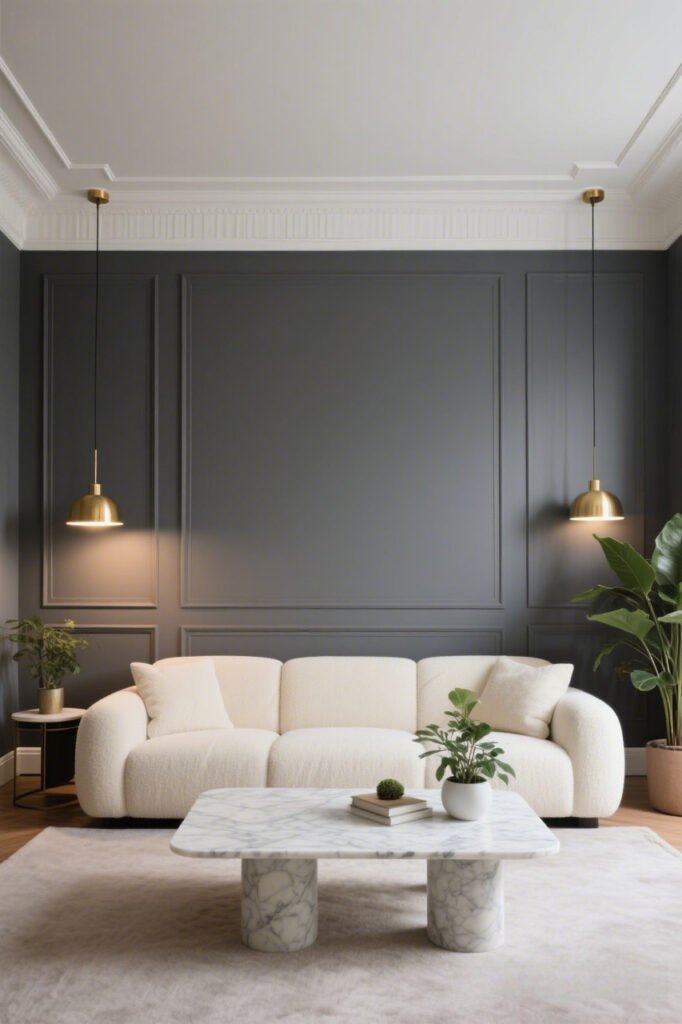
Sophisticated and versatile, charcoal feels grounded without being as stark as black. It’s great for modern spaces and works beautifully with metallic accents.
IMO: Charcoal + brass fixtures = chef’s kiss.
3. Forest Green
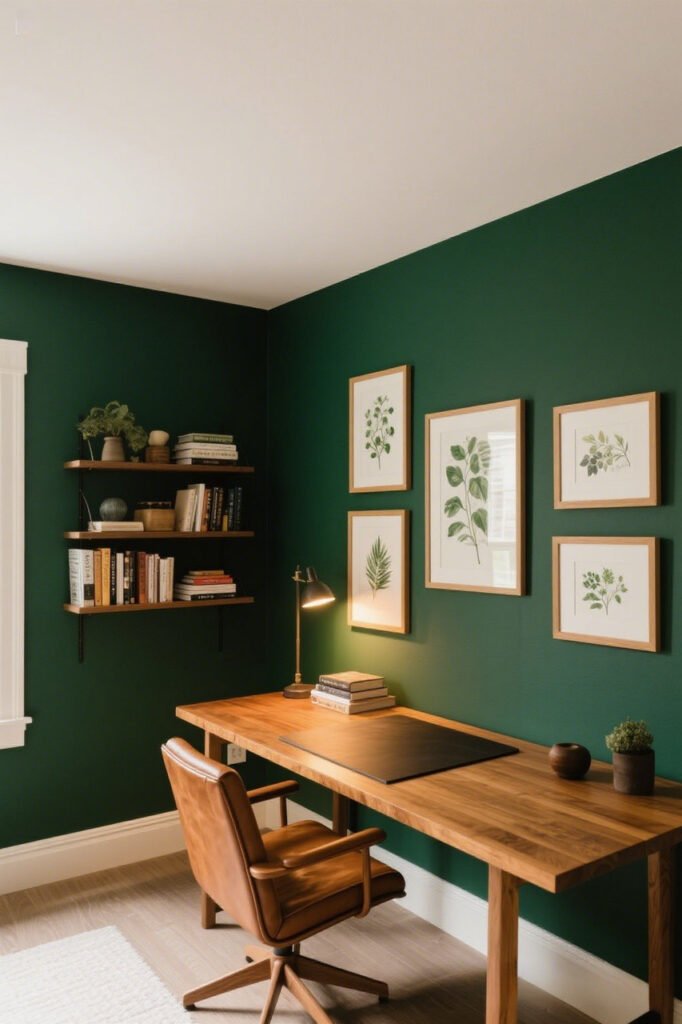
Deep green brings an earthy, lush feel that’s surprisingly serene. Perfect for home offices or reading nooks.
Why it works: It creates depth while still feeling connected to nature.
4. Black (Yes, Really)
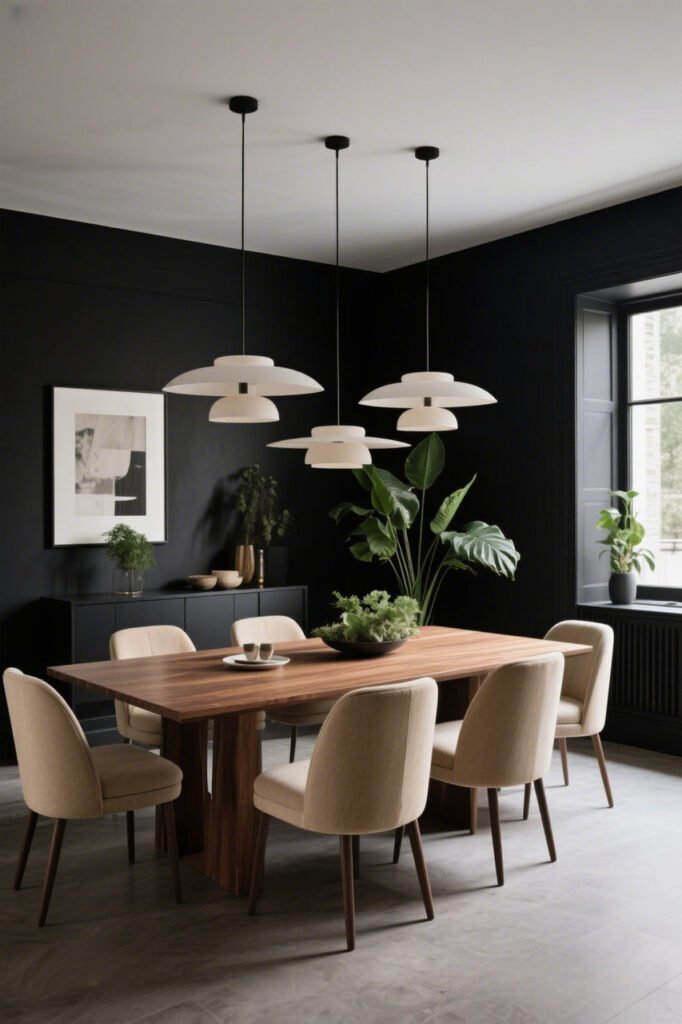
Black walls can look elegant, not oppressive, when styled right. Add warm wood tones, creamy textiles, and layered lighting.
FYI: Black works especially well in rooms that get less natural light — it embraces the moodiness.
5. Aubergine (Eggplant Purple)
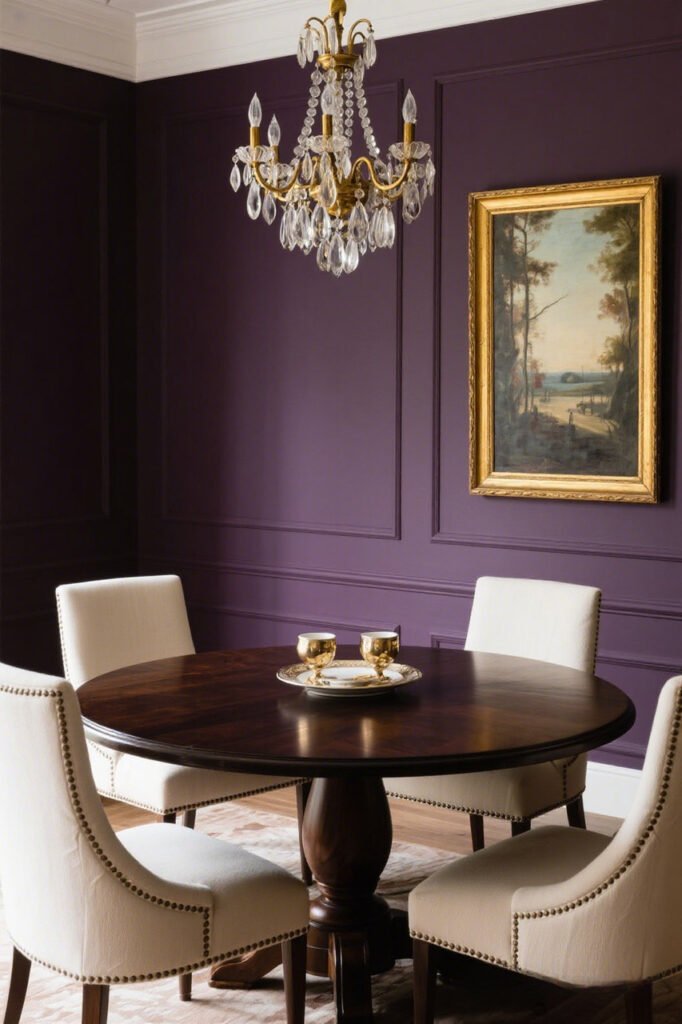
A rich purple adds a regal feel without going full-on “castle vibes.” It’s moody, dramatic, and fantastic in dining rooms.
6. Teal
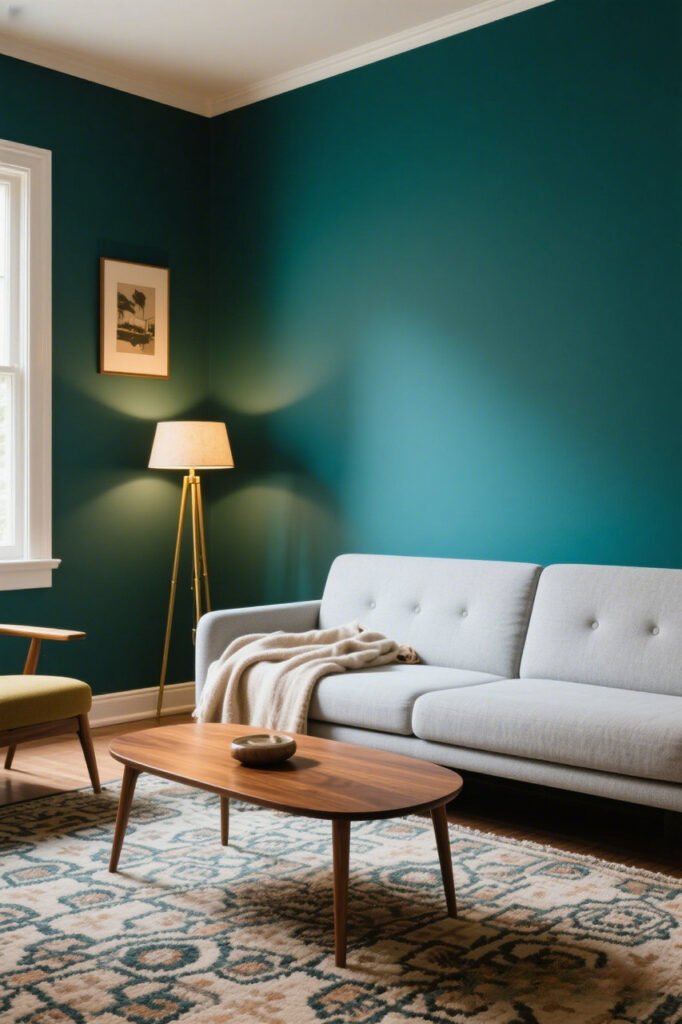
Teal strikes that perfect balance between blue and green. It feels vibrant but still deep enough to expand the space visually.
Best pairing: Brass light fixtures and warm walnut wood.
7. Dark Taupe
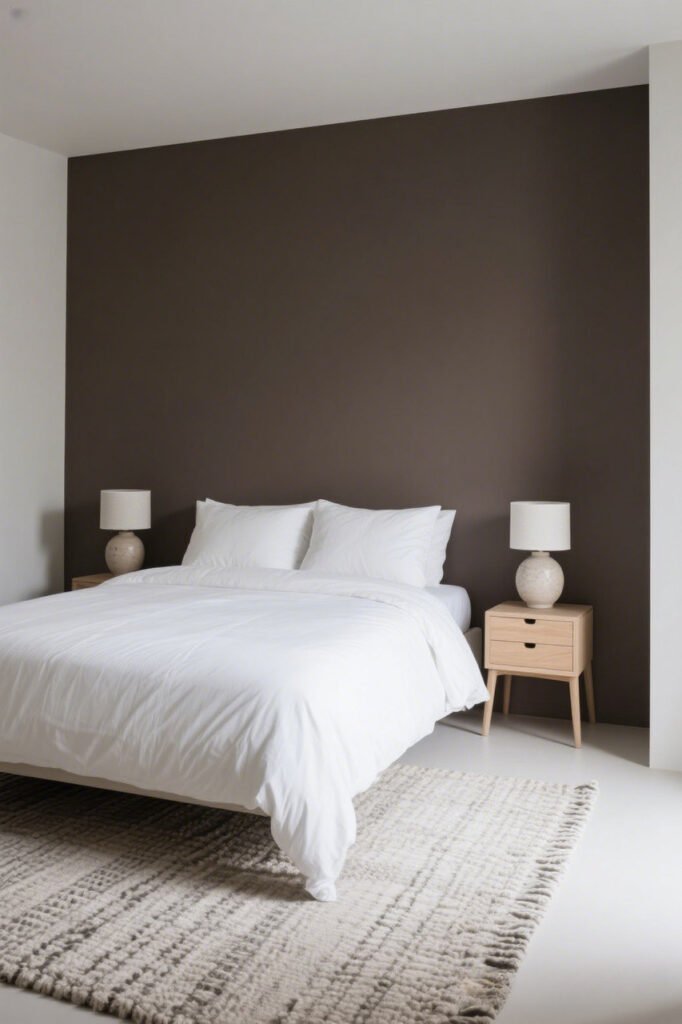
If you’re nervous about going too dark, taupe gives you a cozy neutral with more depth than beige. Works in literally any style of room.
8. Moody Burgundy
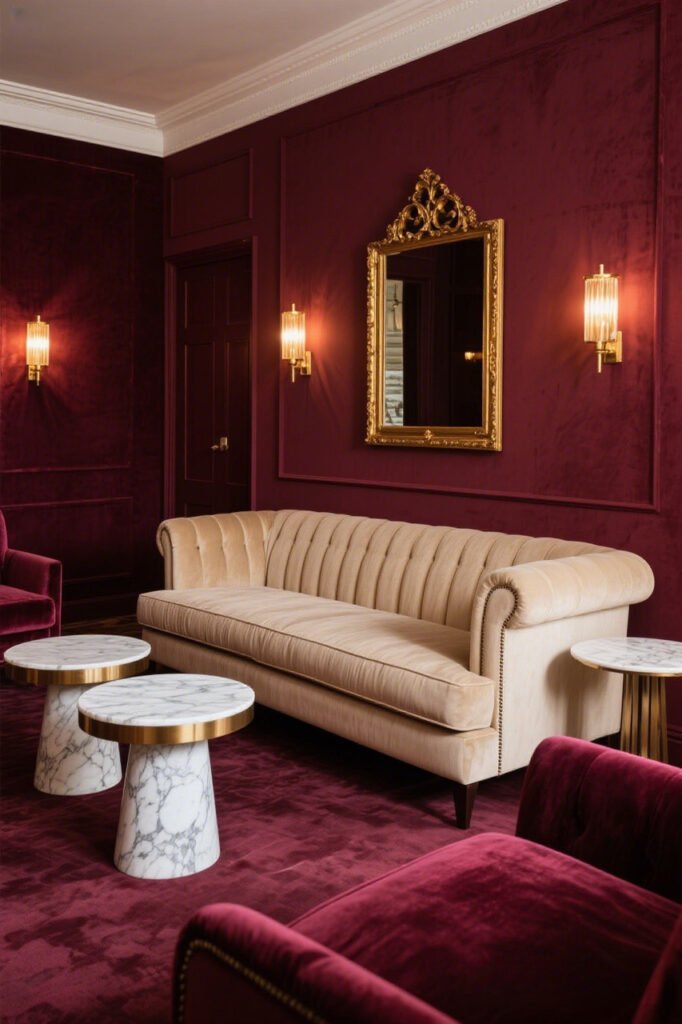
Burgundy adds warmth and intimacy while still creating that wall-receding effect. Great for spaces you want to feel rich and inviting.
9. Ink Blue
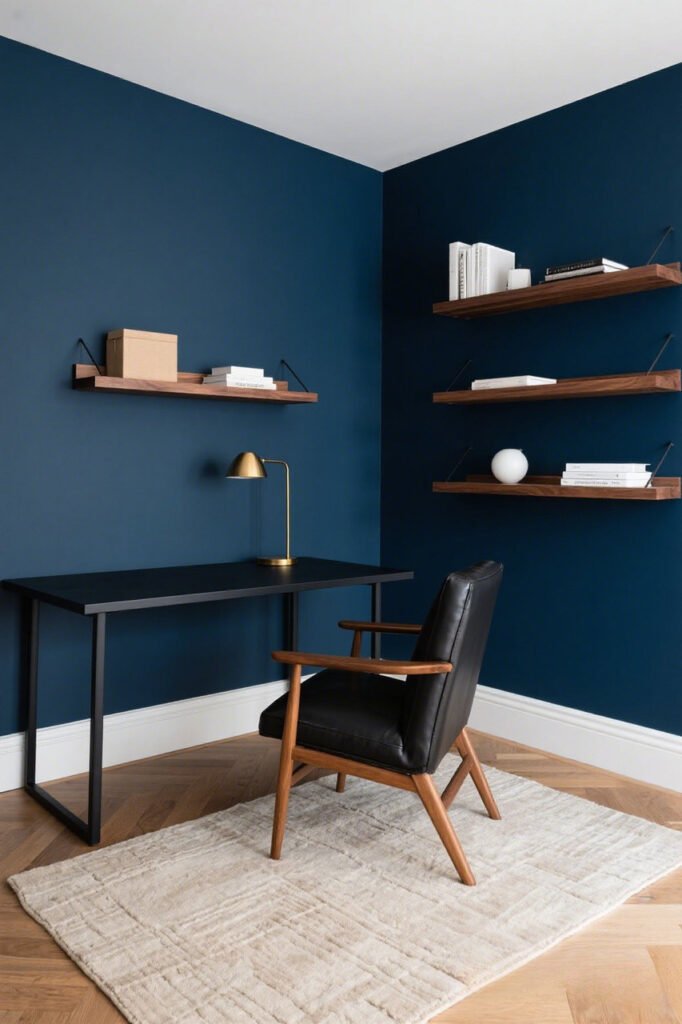
A slightly darker, moodier cousin of navy, ink blue feels dramatic but less intense than black. Ideal for modern minimalist spaces.
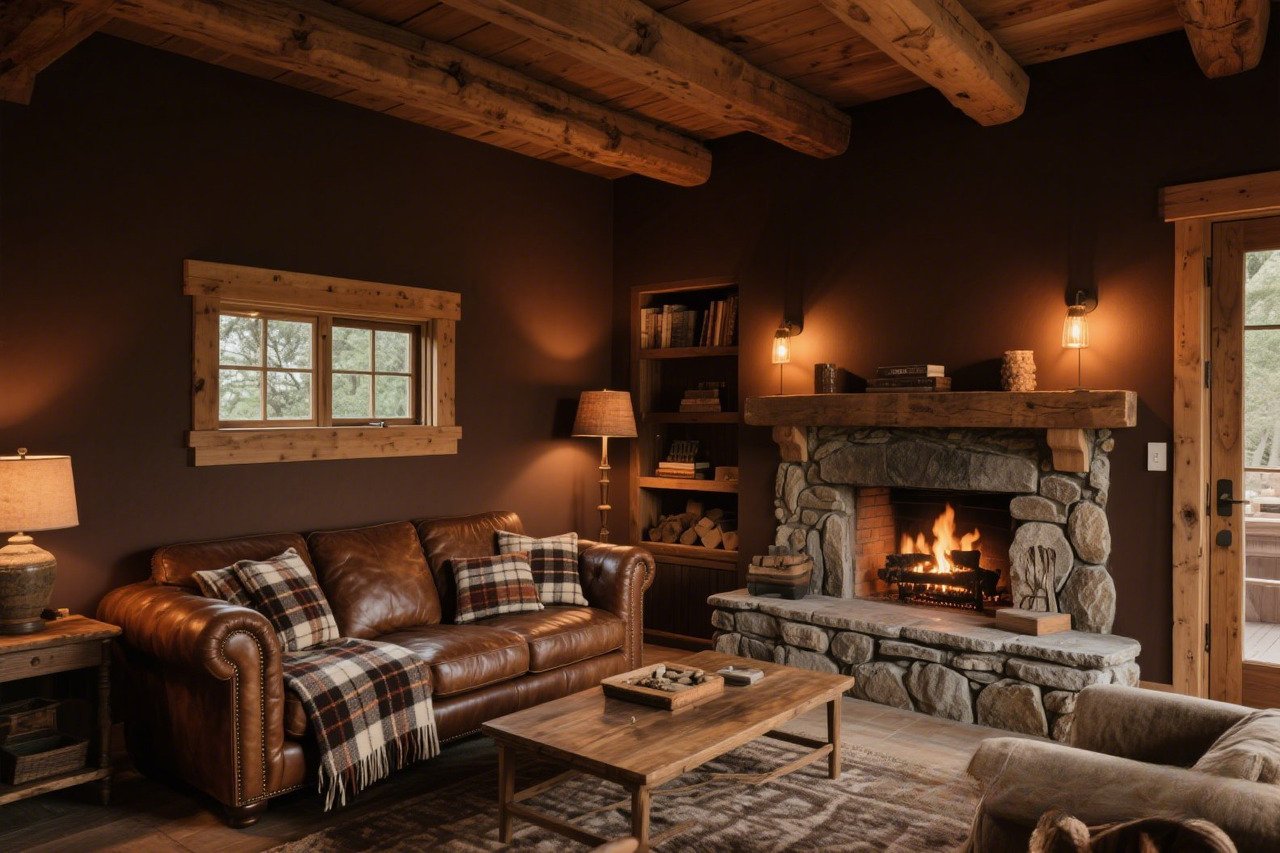
10. Chocolate Brown
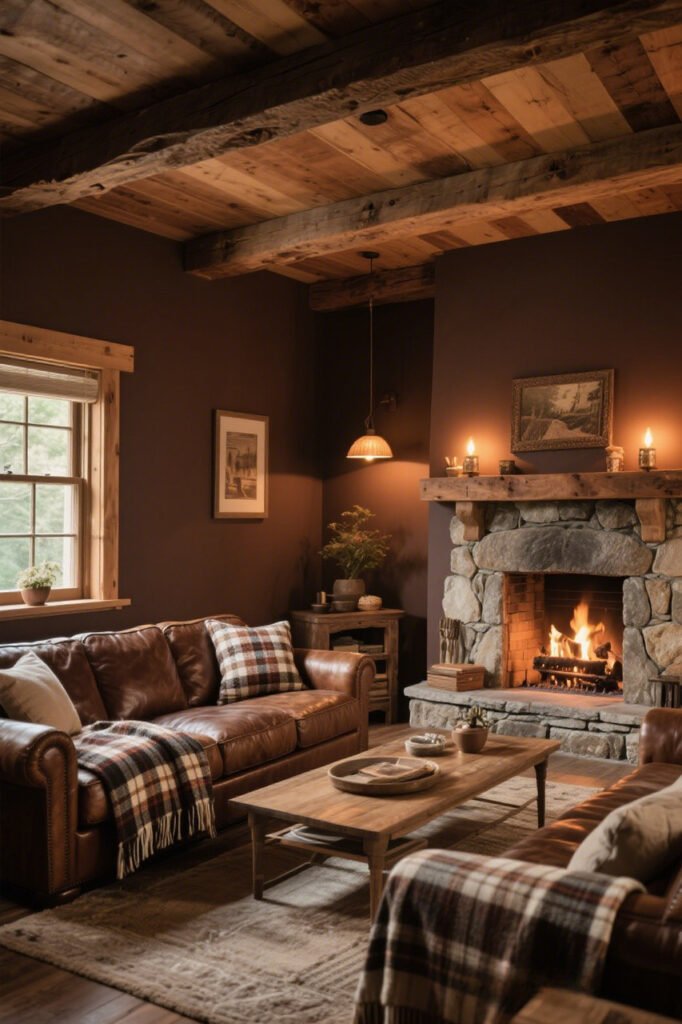
Dark brown creates a grounded, comforting space — think leather chairs, wool throws, and an open fireplace.
Warning: Avoid pairing with too much black unless you really want to feel like you’re in a moody café.
Styling Tips to Keep Dark Walls From Feeling Heavy
Painting your walls dark is only half the battle. The magic happens in the styling.
Use Light-Colored Furniture
Sofas, chairs, and beds in lighter tones pop beautifully against dark walls and keep the space balanced.
Incorporate Metallics
Gold, brass, or chrome accents add sparkle and prevent the space from feeling flat.
Add Plants
Greenery stands out dramatically against dark backdrops, bringing life and freshness to the room.
Don’t Skip Texture
Layer in rugs, throws, and cushions. Texture adds visual interest and warmth, so the dark walls feel intentional, not stark.
Myth-Busting: Common Fears About Dark Walls
Let’s address the elephants in the room (or the misconceptions in the walls):
“Dark colors make rooms smaller.”
Not necessarily. It’s more about how you use them. Dark walls can make a small space feel cozy and expansive at the same time.
“They’re too depressing.”
Sure, if you pair black walls with zero lighting and heavy curtains. But with the right accents? Dark walls are chic, moody, and surprisingly uplifting.
“They only work in big rooms.”
Nope. In fact, dark walls can disguise awkward room shapes and draw attention away from less-than-perfect layouts.
My Personal Favorite Dark Wall Combo
Okay, if you twisted my arm and made me choose one: deep navy walls + white trim + warm wood furniture + brass fixtures. It’s timeless, classy, and works in literally any room size.
When I tried this combo in a tiny guest bedroom, my friends kept asking if we’d expanded the space. Nope — just paint magic.
Quick Checklist Before You Paint
- Pick a matte or eggshell finish.
- Test swatches on all walls. Light changes everything.
- Plan your lighting. Don’t skimp here.
- Choose your trim color. It can make or break the look.
- Get quality paint. Dark colors show cheap paint jobs more easily.
Final Thoughts
Dark wall colors are the unsung heroes of small space design. They don’t just make rooms feel cozy — they can actually make them look bigger by creating depth and hiding boundaries.
So, next time someone tells you to “stick to light colors” for a small space, you can smile knowingly and say, “Thanks, but I’ll take my navy walls and roomy vibes, please.”
Your turn: Which dark color are you dying to try? Whether you’re leaning toward dramatic black or moody green, grab a few samples, test them out, and let your walls work their magic.