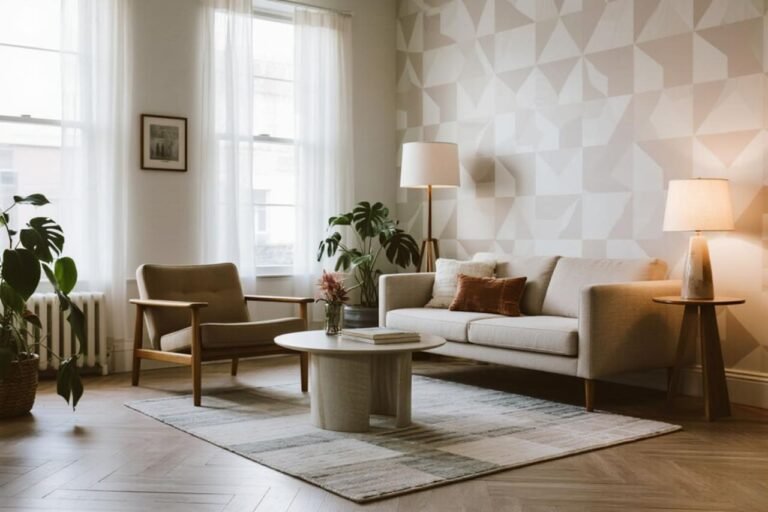
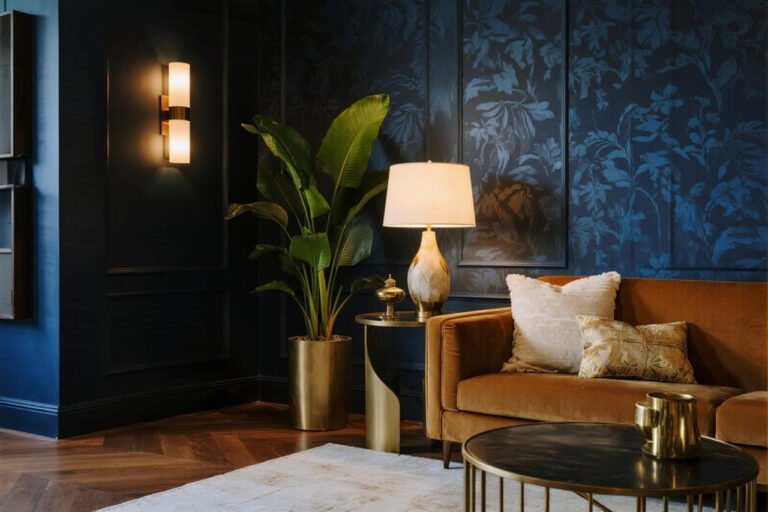
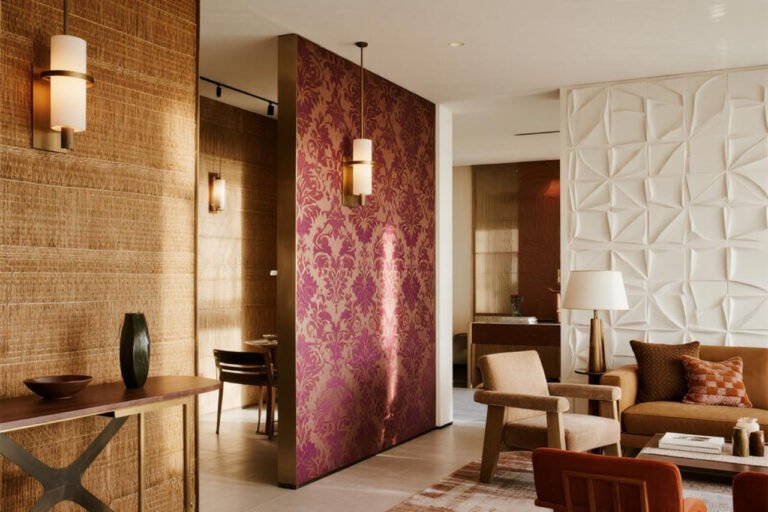
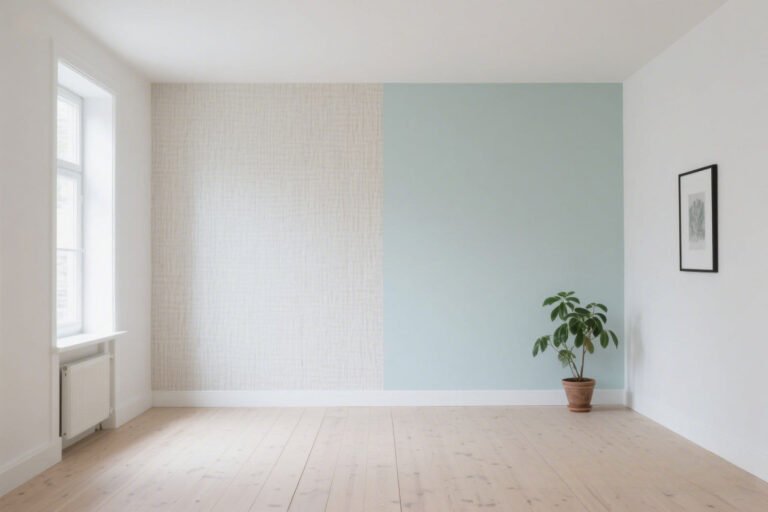
How to Mix Wallpaper and Paint in One Room (Without Losing Your Mind)
So, you’re thinking of mixing wallpaper and paint in the same room. Bold move, friend.
But hey, if done right, it’s a game-changer—like turning your plain ol’ room into something straight out of a magazine. If done wrong… well, it can look like your walls are having an identity crisis.
But don’t panic—I’ve been there, made the mistakes, peeled the wallpaper, repainted, and now I’m here to help you not do the same.
So, let’s talk about how to blend wallpaper and paint like a pro (without needing therapy after).
Why Mix Wallpaper and Paint at All?
Let’s start with the obvious: why bother?
Because it looks amazing when done right.
Mixing wallpaper and paint gives you:
- More visual interest (translation: it won’t look like a beige box)
- A chance to show off your personality or design taste
- The ability to highlight certain features in a room (ever heard of accent walls?)
- A way to save money (yep—wallpapering everything ain’t cheap)
And honestly, sometimes one option just isn’t enough. You want the best of both worlds—kind of like dipping fries into a milkshake. Weird? Maybe. Awesome? Definitely.
Rule #1: Pick Your Wallpaper First
Always. Always. ALWAYS.
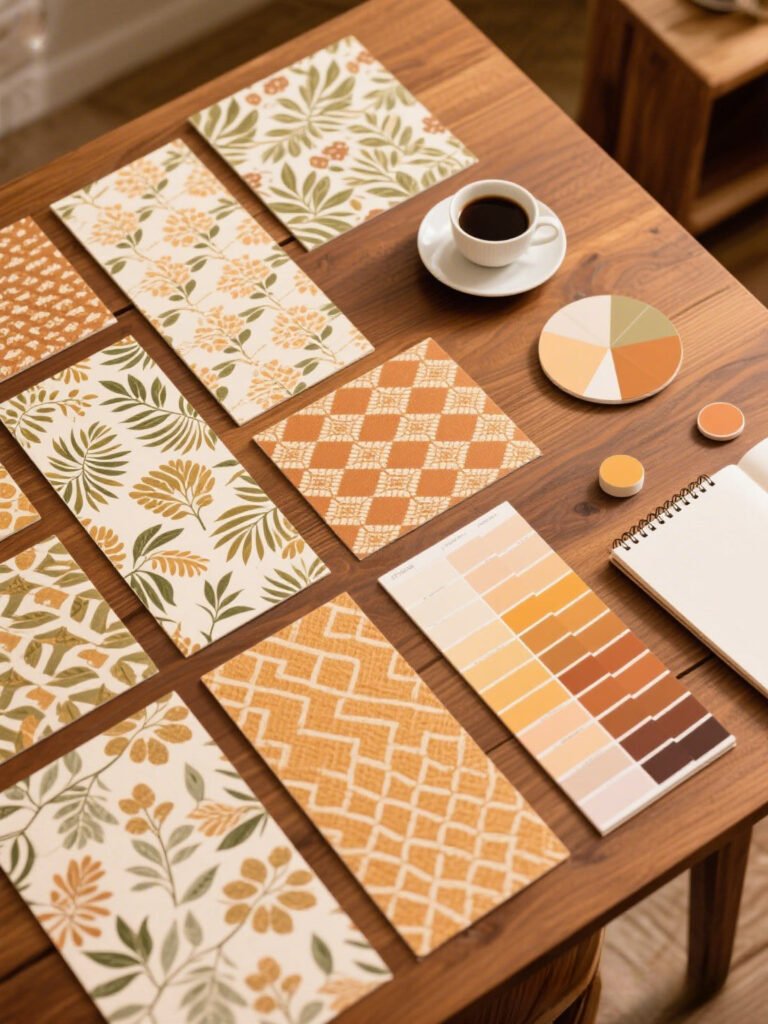
Why? Because wallpaper usually has more color, texture, and pattern complexity than paint. It’s way easier to find a paint color that matches a wallpaper than the other way around.
So:
- Choose your wallpaper first—whether it’s floral, geometric, or something wild like jungle cats (hey, no judgment).
- Look closely at the colors in the wallpaper.
- Then grab a few paint swatches that complement—not fight—it.
Pro Tip: Use a color from the background of the wallpaper for your paint. It creates this subtle harmony that makes you look like you hired a designer. Even if you didn’t.
Rule #2: Use the 60-30-10 Color Rule
Designers love this trick, and honestly, so do I.

Here’s how it breaks down:
- 60% dominant color – usually your painted walls
- 30% secondary color – the wallpaper
- 10% accent color – throw pillows, art, curtains, etc.
This makes the space feel balanced, not chaotic. No one wants a room that screams, “I had a Pinterest meltdown.”
Where to Use Wallpaper (And Where Not To)
You don’t need to slap wallpaper on every single wall. In fact, please don’t. That’s how we ended up with 1980s floral explosions. Instead, think about strategic placement.
Best Places to Use Wallpaper:
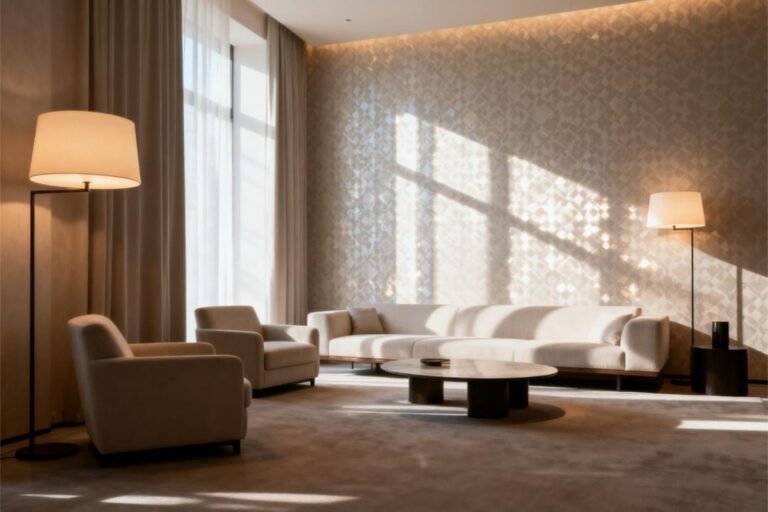
- Accent walls – behind a bed, sofa, or fireplace
- Entryways or hallways – instant wow factor
- Powder rooms – small space, big impact
- Ceilings – yep, that’s a thing now
Where to Avoid (IMO):
- Every. Single. Wall. 🙄
- High-humidity areas unless you’ve got moisture-resistant wallpaper
- Areas prone to damage (kids with markers, I’m looking at you)
Choosing the Right Paint Color
So, you’ve got your dreamy wallpaper picked out. Time for the paint. But not just any paint color. Here’s what you want to consider:
1. Match a color in the wallpaper.
Easy. Clean. Coordinated.
2. Choose a neutral that balances it out.
If your wallpaper is wild, go tame with the paint. Think:
- Soft whites
- Warm beiges
- Cool greys
3. Think about undertones.
That pretty grey you picked? It might have a purple undertone that totally clashes with your wallpaper. Don’t trust your eyes—test swatches next to the actual wallpaper.
FYI: Lighting changes everything. Check swatches in natural daylight and your evening lighting before committing.
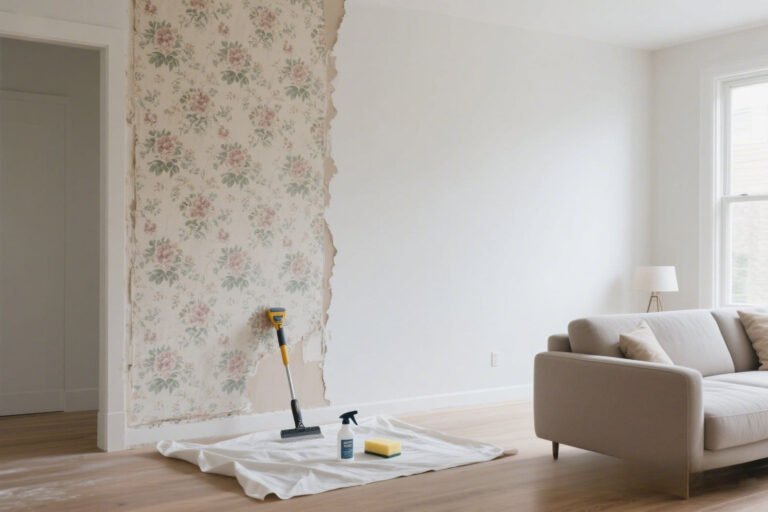
Paint First, Wallpaper Second (Yes, There’s a Method)
The order matters, folks. Here’s why you should paint before you wallpaper:
- It’s cleaner—no tape gymnastics around freshly wallpapered edges.
- If the wallpaper doesn’t go all the way to the ceiling or floor, the painted area acts like a background frame.
- Mistakes are easier to fix with paint than with wallpaper (trust me on this one).
Just make sure the paint has fully cured before you start wallpapering—usually a few days.
Cool Combos That Actually Work
Not sure where to start? Let me throw some killer combos your way:
Botanical Wallpaper + Sage Green Paint
Soft, serene, and kinda makes you feel like you live in a cottagecore dream.

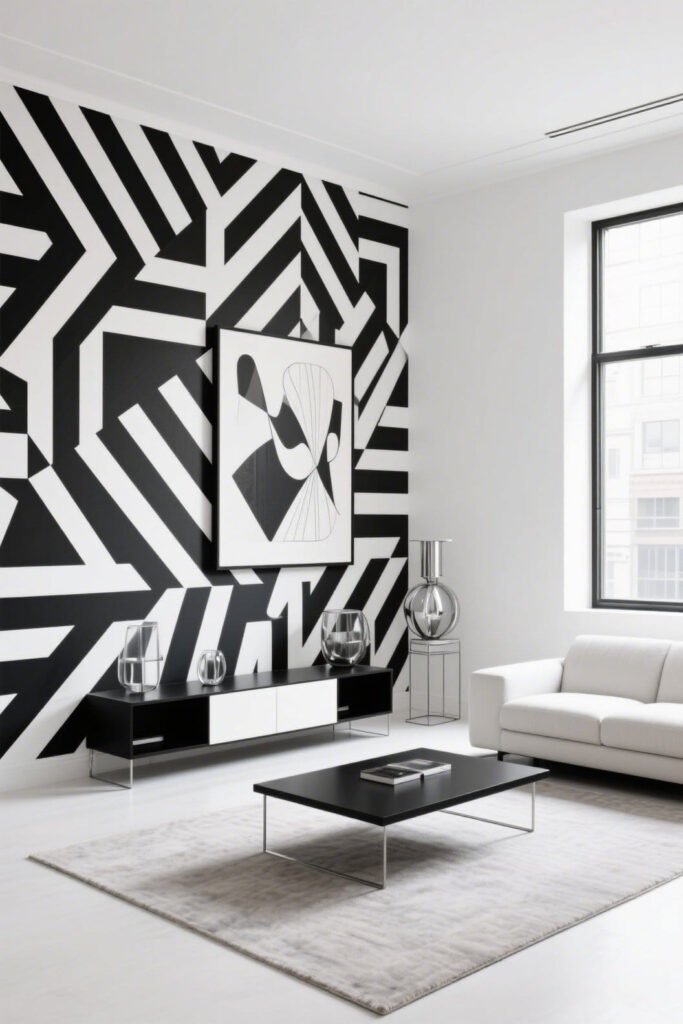
Black and White Geometric Wallpaper + Crisp White Paint
Chic, modern, and seriously Instagrammable.
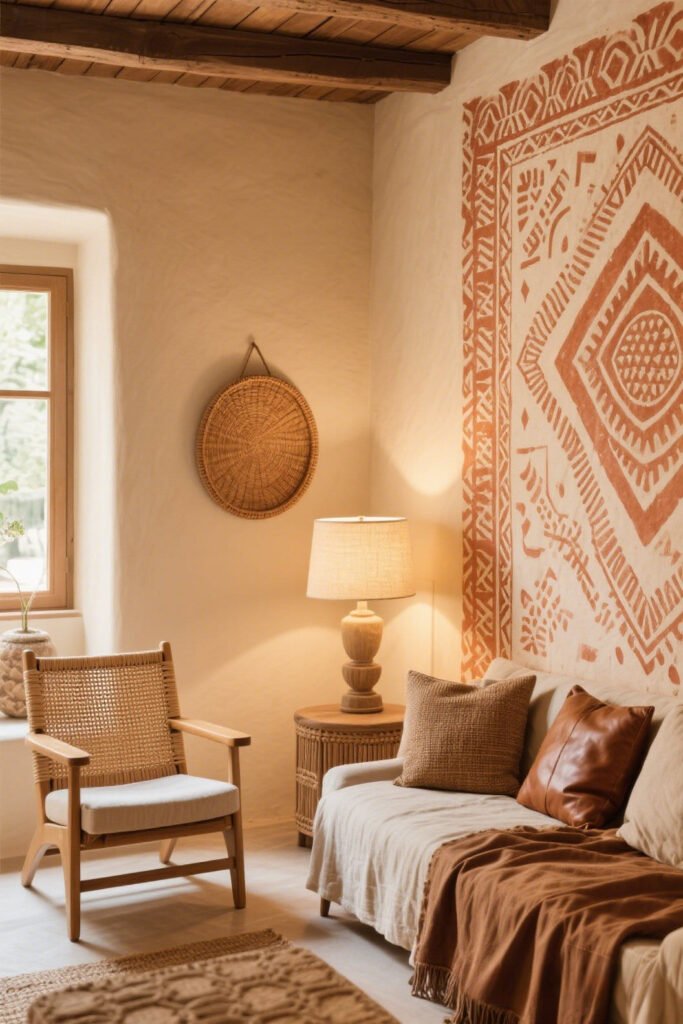
Warm Terracotta Wallpaper + Creamy Beige Paint
Hello, cozy vibes. Perfect for bedrooms or reading nooks.
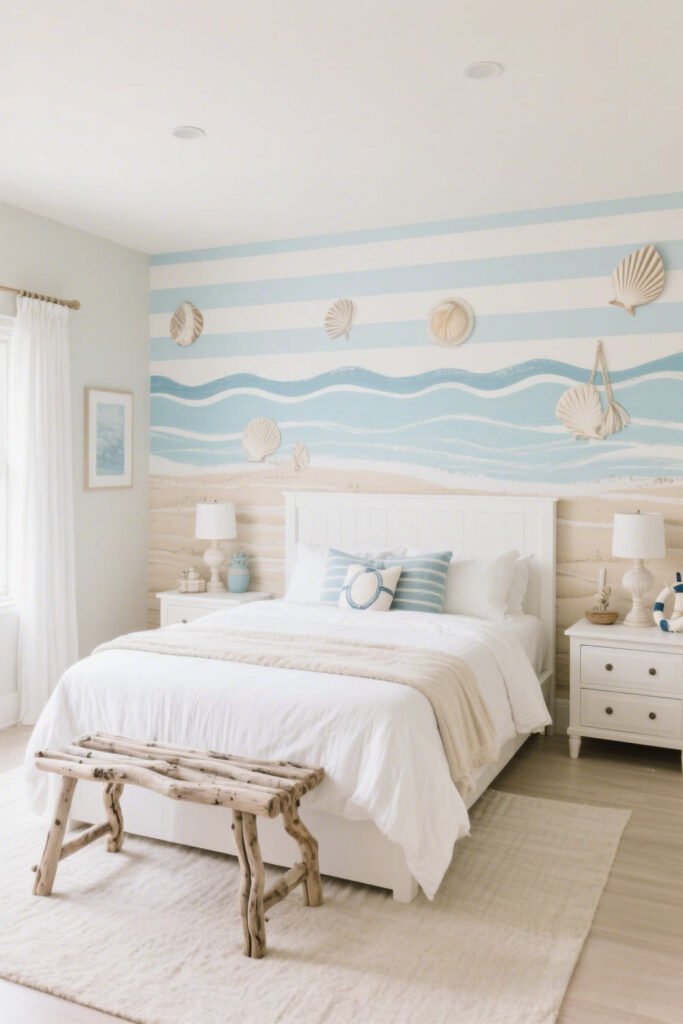
Coastal Blue Wallpaper + Soft Sand Paint
Feels like a beach vacay without the sunburn.
Got Bold Wallpaper? Use Paint to Ground It
Ever picked a wallpaper so bold it made your eyes twitch? Same. That’s where paint saves the day.
Use muted or neutral paint colors to give the wallpaper room to breathe. It’s like adding a chill friend to your group who calms everyone down when things get chaotic.
Mixing Patterns and Solids Without Losing Your Sanity
Pattern mixing can go either way—fashion-forward or full-on circus tent. To stay on the right side of that line:
- Keep one element simple (the paint) and let the wallpaper shine.
- Avoid clashing patterns. Stripes + florals = maybe. Stripes + more stripes?
- Stick to a cohesive color palette.
Should You Use Wallpaper Borders? (Hot Take Alert)
Okay, unpopular opinion: Wallpaper borders are risky.
Most of the time, they feel… dated. Like, “I decorated this in 1994 and never changed it” dated.
But hey, if you find a modern, sleek border and it works with your style—go for it. Just don’t say I didn’t warn you.
My Personal Go-To Formula
Want a shortcut? Here’s what I usually do when someone asks me to mix wallpaper and paint in one room:
- Pick one statement wallpaper (1 wall only).
- Choose a complementary neutral paint for the other 3 walls.
- Match the trim and ceiling to the lightest tone in the wallpaper.
- Add textiles or decor (pillows, art, curtains) using accent colors from the wallpaper.
Simple. Stylish. Zero regrets.
Final Tips to Keep You Sane
Here are a few rapid-fire nuggets of wisdom:
- Buy samples. Always. You’ll thank yourself later.
- Don’t cheap out on wallpaper paste or paint quality. Your walls deserve better.
- Use painter’s tape like your life depends on it.
- Step back and squint. Weird trick, but it helps you see the big picture.
Wrapping It Up (Without Wrapping Your Walls in Regret)
So, that’s the deal on how to mix wallpaper and paint in one room without turning your space into a visual war zone.
Just remember:
- Pick your wallpaper first.
- Let paint complement, not compete.
- Use bold patterns wisely.
- Paint first, wallpaper later.
- Trust your instincts (unless your instincts say to wallpaper the whole room in leopard print—then maybe call a friend first).
Oh, and one last thing—have fun with it. Decorating should be exciting, not stressful. You’re not doing brain surgery here. You’re just making your home look cool.
Now go on, grab that wallpaper sample, pick out your paint, and turn that room into something you’ll love walking into every day. You’ve got this.