Vertical Gardening: Wall Storage for Your Plants and Herbs
Let’s be honest: we’ve all stared at our walls at some point and thought, “Wow, what a waste of space.” I mean, those big blank surfaces just sit there doing nothing while our poor plants beg for more room.
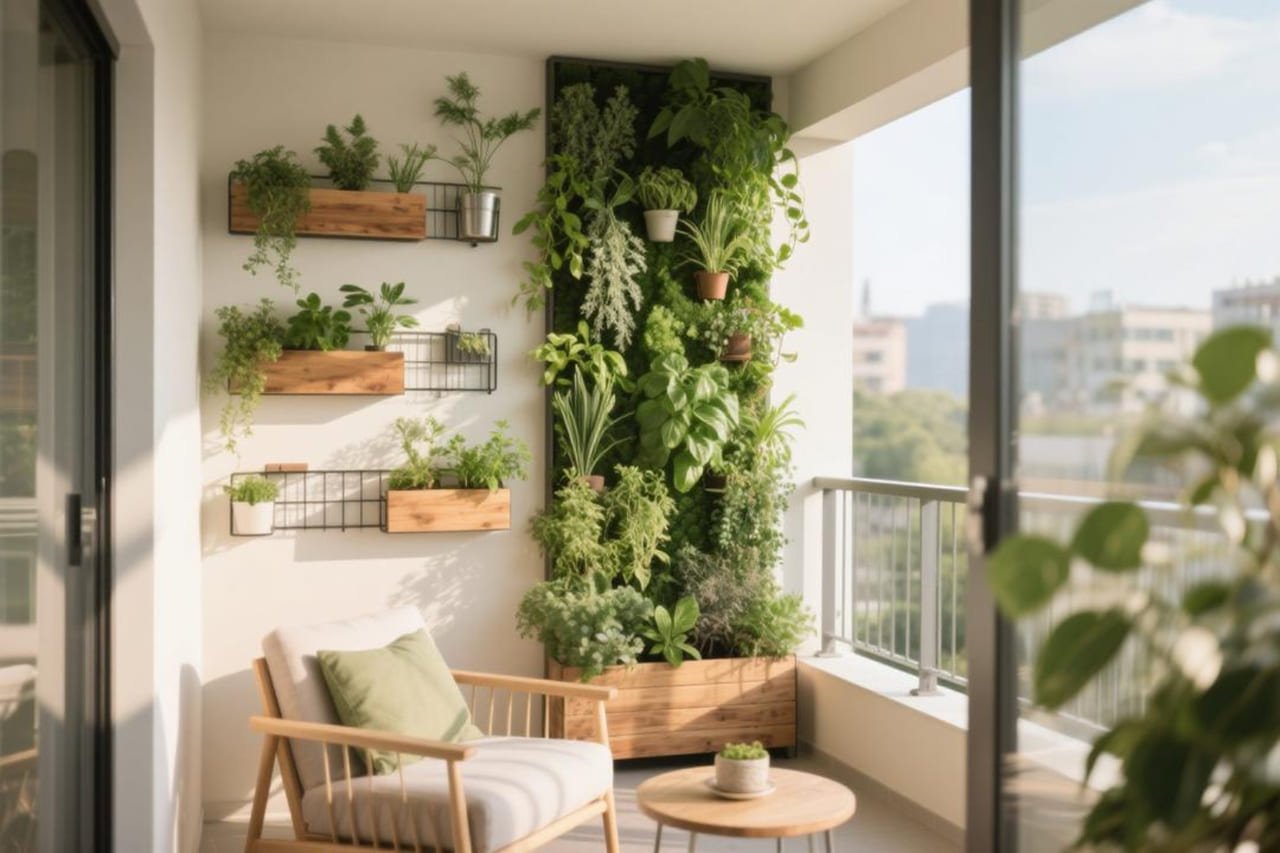
Enter vertical gardening—aka, the superhero solution for small spaces, cluttered patios, or anyone who just wants to show off a Pinterest-worthy herb wall.
I’ll admit, I once tried cramming 15 pots of basil onto a tiny balcony table (spoiler: bad idea). But the moment I discovered wall-mounted storage for plants, everything changed.
It’s practical, stylish, and honestly, way more fun than traditional gardening. Ever wanted to snip fresh mint for your mojito straight off the wall? Yeah, it feels as cool as it sounds.
So, grab your favorite gardening gloves (or that old pair of dishwashing gloves, no judgment here), and let’s talk about vertical gardening with wall storage—what it is, why it rocks, and how you can make it work for your plants and your space.
Why Go Vertical with Your Garden?
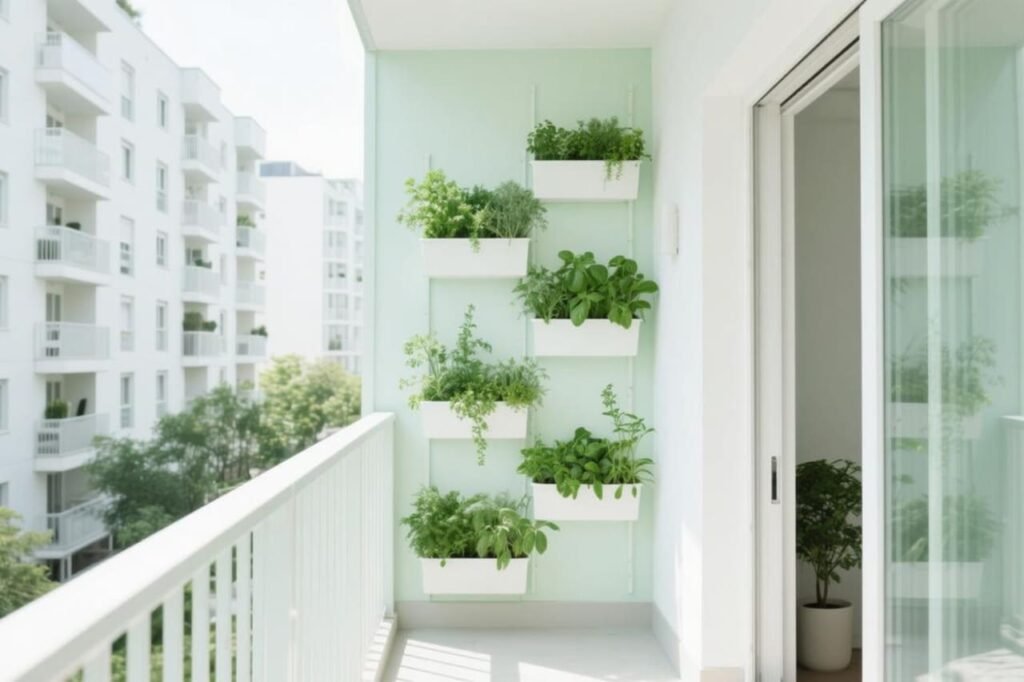
You know the saying “think outside the box”? Well, vertical gardening is more like “think up the wall.”
Instead of spreading plants across every available surface, you let them climb, hang, and thrive vertically.
Why it’s a game-changer:
- Space saver: Perfect for apartments, balconies, or small yards.
- Aesthetic boost: Turns boring walls into lush, green art.
- Easy access: Herbs and small veggies are right there at eye level.
- Healthier plants: Better air circulation means fewer pests and diseases.
Ever tried searching for that one basil pot hiding behind the rosemary jungle? Vertical storage fixes that instantly.
Plus, it makes watering easier—you can literally walk along your wall like you’re in some garden runway show.
Different Wall Storage Options for Plants
Not all wall storage is created equal. Some setups are sleek and modern, others are DIY-friendly with a rustic vibe.
IMO, mixing styles makes the whole thing feel less like a science project and more like home décor.
Hanging Baskets
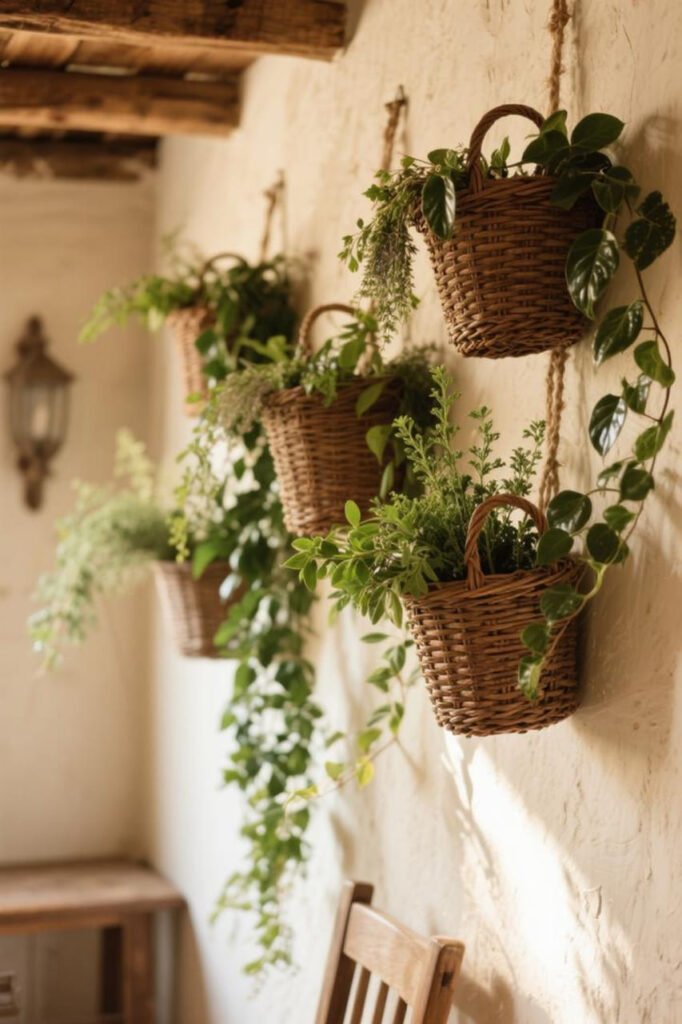
The OG of vertical gardening. Hang them on sturdy hooks or from a wall-mounted rack.
Pros:
- Affordable and easy to set up
- Great for cascading plants like ivy or strawberries
- Adds instant charm (bonus points if they’re woven baskets)
Cons:
- Can dry out faster, so keep up with watering
- Not ideal for heavy plants
Wall Planters
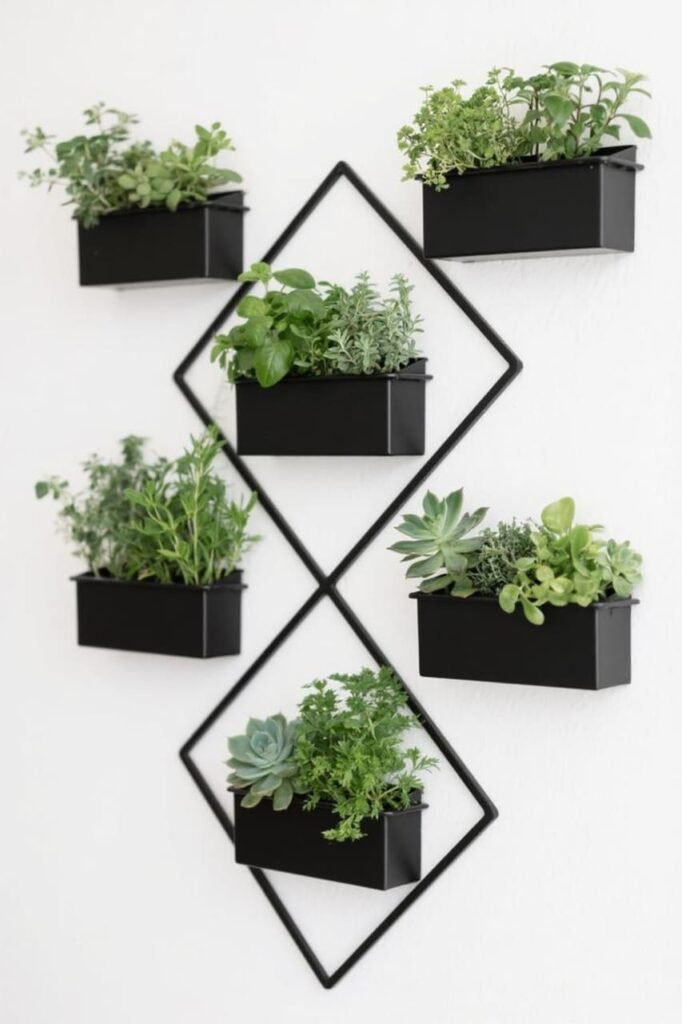
These are like little shelves or pockets built specifically for plants. Some come in sleek metal designs, others in rustic wood.
Pros:
- Designed to hold soil and plants securely
- Neat and tidy look
- Available in various sizes
Cons:
- Some require drilling (sorry renters :/)
- Can get pricey depending on the material
Pallet Gardens
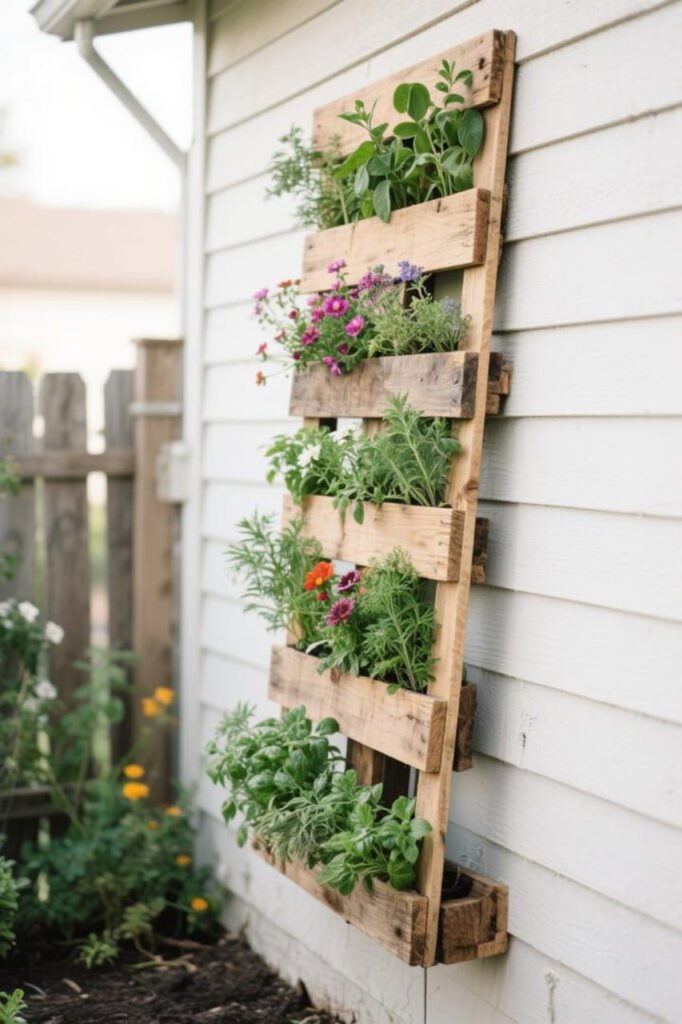
Yes, those wooden pallets people usually toss out? Goldmine for DIY gardeners.
How it works:
- Stand the pallet upright against a wall
- Add landscape fabric to hold soil
- Plant herbs, succulents, or small veggies
Cheap, creative, and perfect for upcycling fans. Ever wanted to brag at a party about your “eco-friendly herb wall”? This is your ticket.
Grid or Trellis Systems
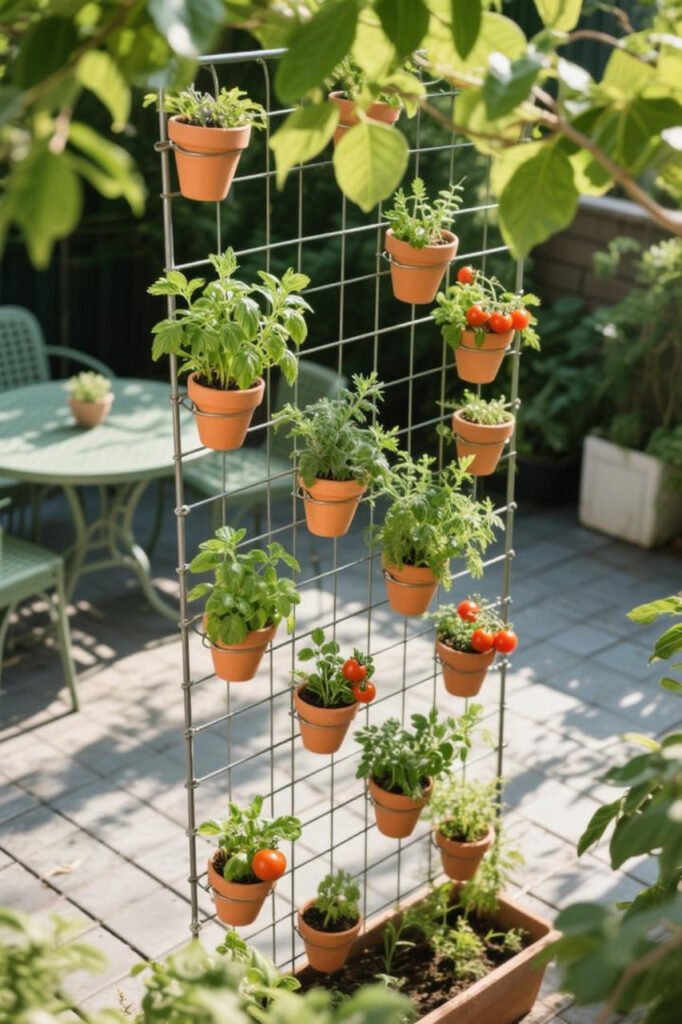
Attach a metal grid or trellis to your wall and hook pots onto it. Looks modern and allows for flexibility.
Why it’s great:
- You can rearrange pots as your collection grows
- Perfect for climbing plants like beans or cucumbers
- Adds an architectural vibe to your space
Best Plants for Vertical Gardening
Now, before you go hanging your giant monstera on the wall (please don’t), let’s talk about which plants actually thrive in vertical storage.
Herbs
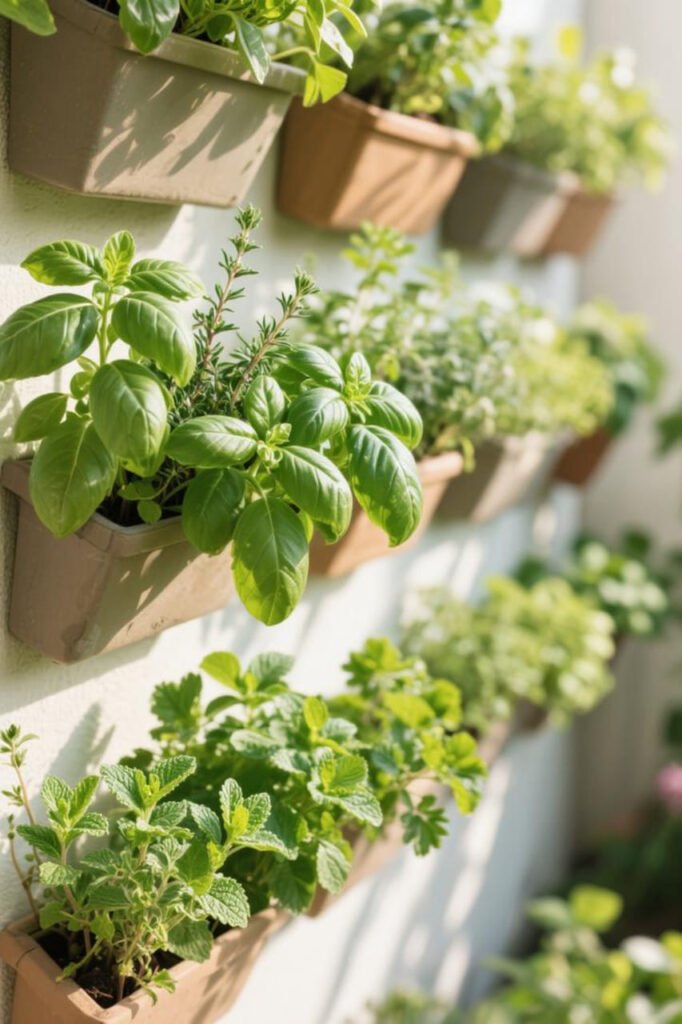
- Basil, mint, parsley, thyme, oregano—all perfect for wall gardens.
- They stay compact, grow quickly, and give you fresh flavors on demand.
- Plus, they smell amazing every time you brush past.
Small Vegetables
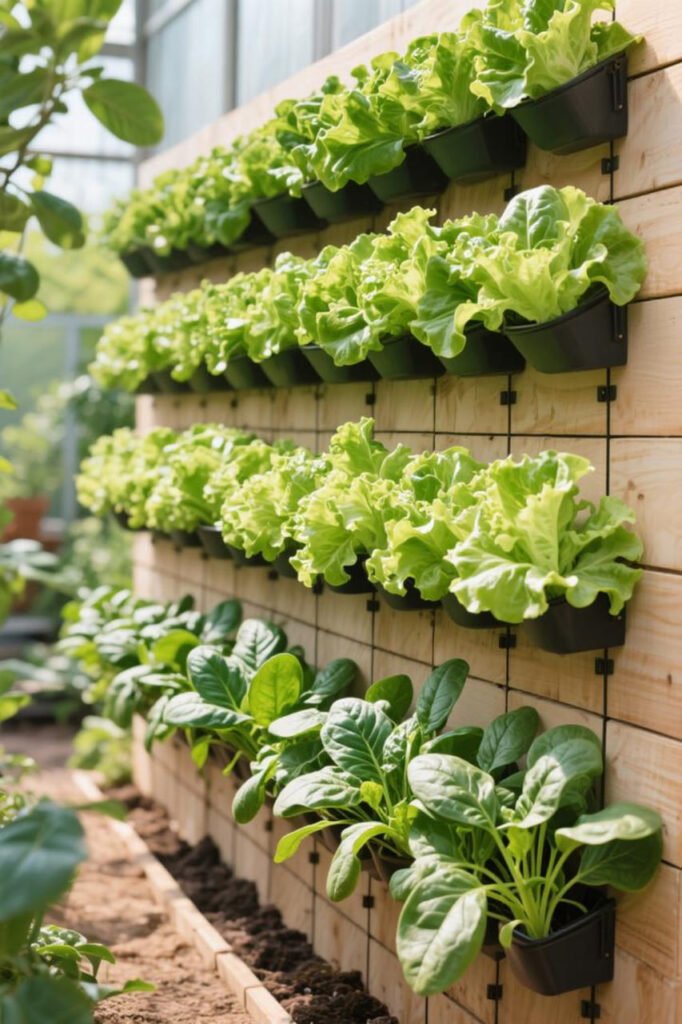
- Lettuce, spinach, radishes, cherry tomatoes
- They don’t need huge root systems, and they’re fun to harvest.
Decorative Plants
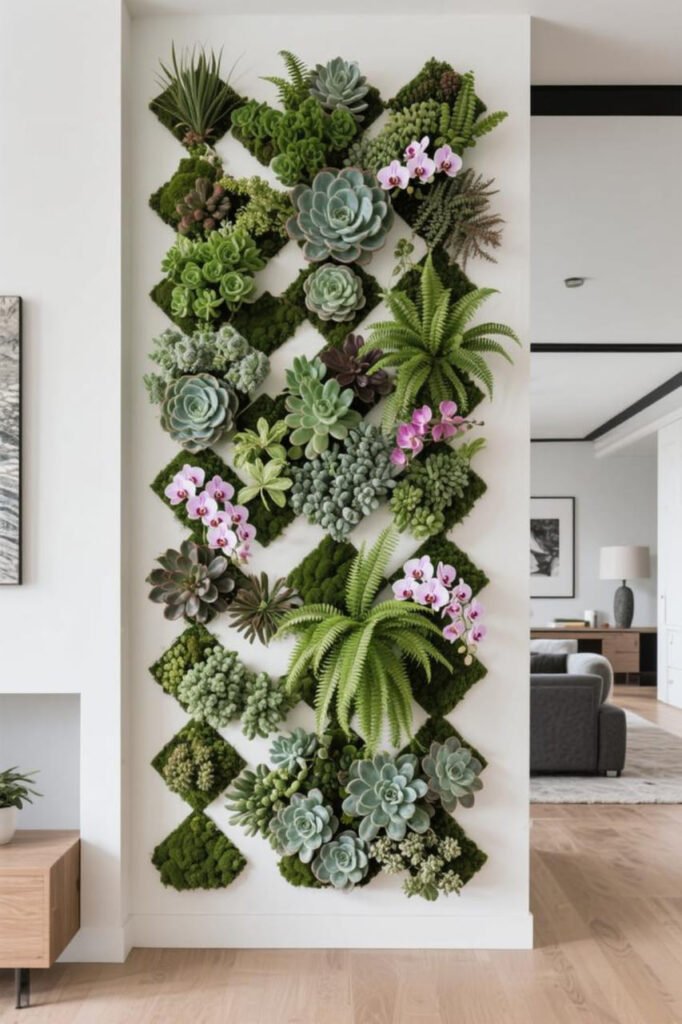
- Succulents for low-maintenance beauty.
- Ferns or ivy for a lush, cascading effect.
- Orchids if you’re feeling fancy.
Ever tried clipping fresh basil and admiring your succulents at the same time? Highly recommend.
Setting Up Your Vertical Garden
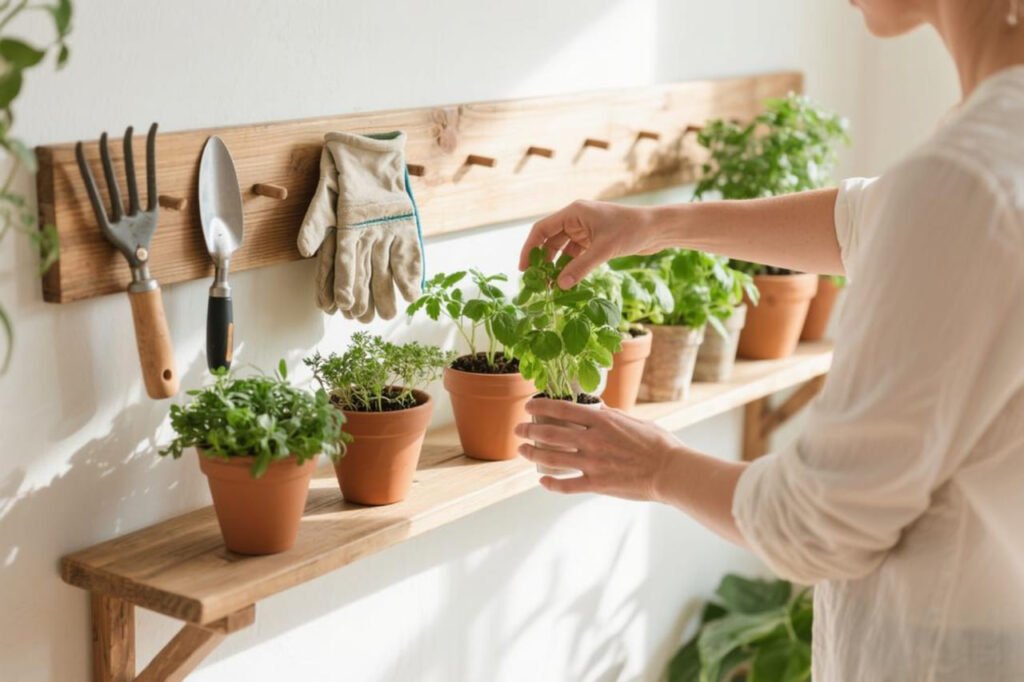
Alright, let’s get practical. Setting up a wall storage garden isn’t rocket science, but you’ll want to follow some basics.
Step 1: Pick Your Wall
South-facing walls get the most sun, which is ideal for herbs and veggies. But if you’re working with shade, stick to ferns, pothos, or mint (they don’t mind chilling in lower light).
Step 2: Choose the Right Storage
Think about:
- Weight capacity (wet soil is heavier than you think!)
- Water drainage (no one wants swampy roots)
- Material durability (metal and treated wood last longer outdoors)
Step 3: Arrange Your Plants
Tall, bushy plants up top. Trailing plants at the bottom. Herbs sprinkled throughout. Basically, design it like a layered haircut—organized but effortless.
Step 4: Watering System
Options:
- Manual watering (grab your trusty watering can).
- Drip irrigation (fancy but saves time).
- Self-watering planters (lazy gardener’s dream).
Style Meets Function: Making It Look Good
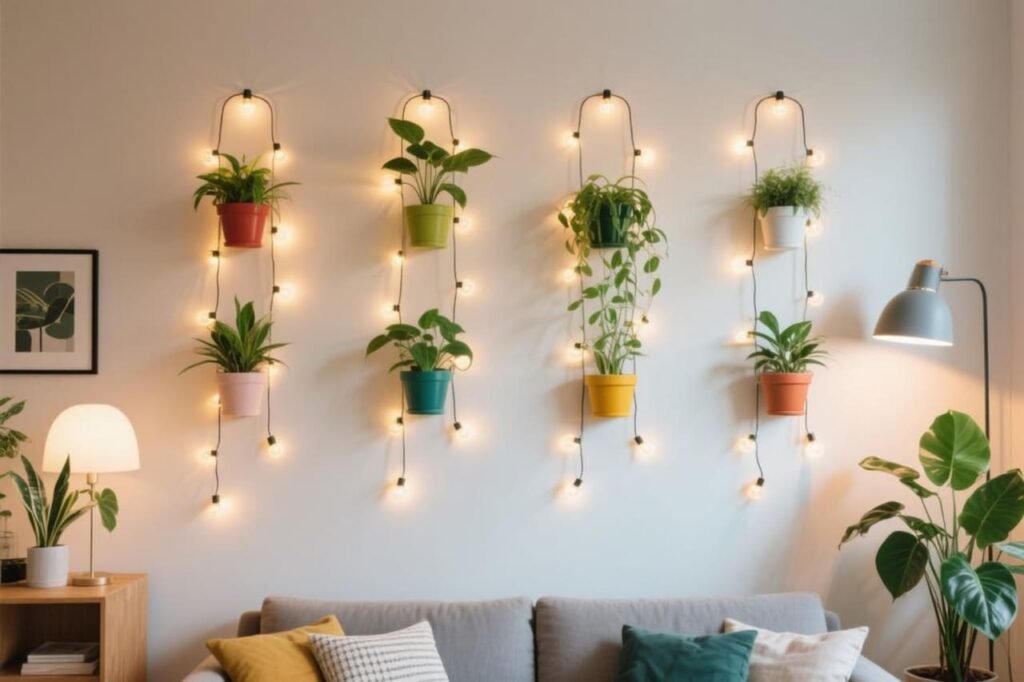
Vertical gardens aren’t just about growing food—they’re also about making your space pop.
- Mix textures: Pair sleek metal planters with woven baskets.
- Add lighting: String lights or solar lamps make it magical at night.
- Color coordinate: Match pot colors with your furniture for a cohesive vibe.
- Create patterns: Stagger pots diagonally or in geometric shapes.
Think of your wall as a canvas, and your plants as the paint. The result? Living artwork that doubles as a kitchen supply.
Common Mistakes to Avoid
Let’s save you from a few classic “oops” moments.
- Overloading the wall: Your wall is strong, but it’s not a gym bro. Keep weight in check.
- Choosing the wrong plants: Not every plant loves vertical life. Avoid deep-root veggies like carrots or potatoes.
- Ignoring drainage: Without proper drainage, you’ll basically create a swamp (your basil won’t thank you).
- Neglecting sunlight: No, your herbs won’t thrive in that dark hallway corner.
Ever killed a plant and blamed it on “bad soil”? Yeah, sometimes it’s just bad placement.
Budget-Friendly DIY Ideas
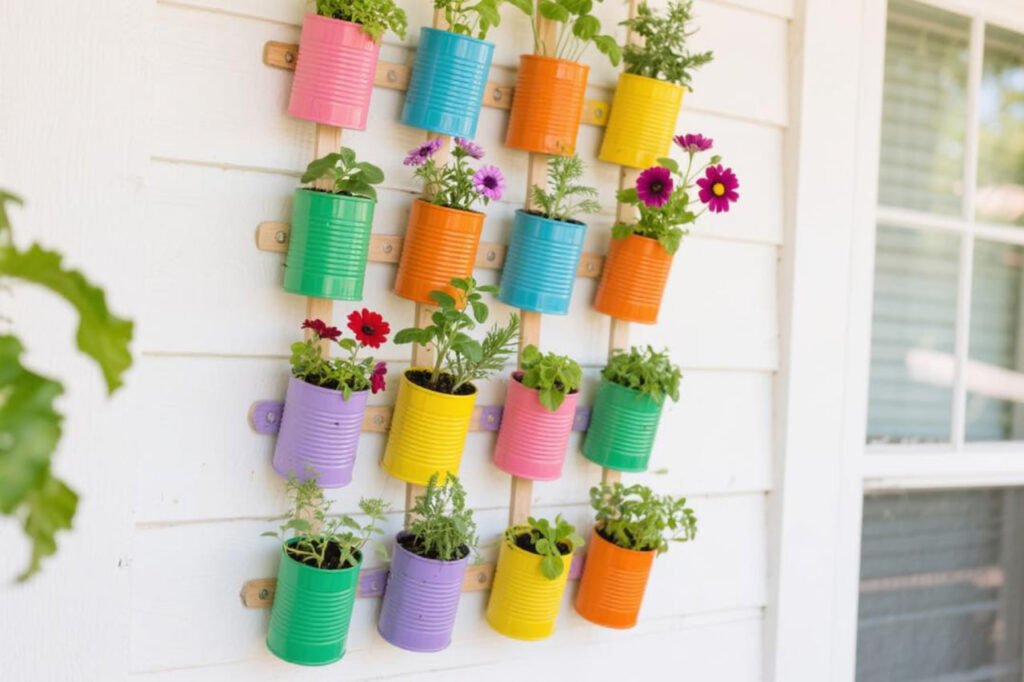
You don’t need a designer budget to make this happen. Some of the coolest vertical gardens are built from everyday stuff.
- Old shoe organizers: Each pocket = a mini planter.
- Wood crates: Stack them for a rustic plant wall.
- Recycled cans: Paint them, drill drainage holes, and mount them.
- Ladders: Lean one against the wall and place planters on each step.
Sometimes the best setups come from a little creativity (and a lot of rummaging through your garage).
Why Vertical Gardening Is Totally Worth It
Here’s the deal: vertical gardening with wall storage isn’t just about saving space. It’s about creating something beautiful, useful, and kind of magical. You’ll:
- Grow fresh food and herbs at arm’s reach
- Turn a boring wall into a lush green feature
- Impress guests (yes, your herb wall will become a conversation starter)
- Enjoy gardening without needing a huge yard
And honestly, who doesn’t want to casually say, “Oh yeah, I just harvested these cherry tomatoes from my wall”?
Conclusion
So, there you have it—vertical gardening with wall storage is the ultimate blend of style and practicality.
Whether you’re in a tiny apartment or a suburban house with more walls than you know what to do with, this method works. Start small with a few herbs, or go big with a full-on living wall.
At the end of the day, your plants get a cozy home, your space looks amazing, and you get to play the role of “that person with the cool wall garden.” Not a bad gig, right?
Now go grab that drill, a few baskets, and your favorite basil plant. Your walls are waiting.